Alpha Homora V2: the complete guide to leveraged yield farming
Alpha Homora V2 was one of the most influential leveraged yield farming protocols in DeFi. This independent hub explains what Alpha Homora V2 is, how it works under the hood, what the risks are, and what its history teaches farmers today.

What is Alpha Homora V2 in one paragraph?
Alpha Homora V2 is a decentralised finance protocol for leveraged yield farming. It was built by Alpha Venture DAO (originally Alpha Finance Lab) and launched on Ethereum in early 2021, later expanding to networks such as Avalanche, Fantom and Optimism. The idea is simple to state and hard to execute: a farmer supplies collateral, the protocol lends them additional assets from its own lending pools, and the combined capital is deployed into an external liquidity pool or farm. If the farm yields more than the borrowing cost, the farmer keeps the difference on a larger position than their own capital would allow.
The second version was a substantial redesign rather than a patch. Where the first version only allowed borrowing ETH, Alpha Homora V2 introduced multi-asset borrowing, positions represented as NFTs, an oracle-driven collateral system and integrations with money markets such as Iron Bank. If you are new to the topic, start with what is Alpha Homora V2 and then move on to how Alpha Homora V2 works.
Why Alpha Homora V2 still matters in 2026
Even though activity in the protocol declined sharply after 2022 and much of DeFi moved to newer leverage venues, Alpha Homora V2 remains a reference design. Nearly every modern leveraged farming product — from concentrated-liquidity leverage vaults to perpetual-backed delta-neutral strategies — reuses its building blocks: an internal lending pool, a position-level health factor, a whitelisted set of spells that define what a position may do, and a liquidation market that keeps the lenders whole.
It also matters as a case study in risk. The February 2021 exploit, in which roughly 37 million dollars were drained through a flaw in the interaction between Alpha Homora V2 and Iron Bank, is one of the most analysed incidents in DeFi history. Our risks and security guide walks through that incident and the broader risk surface without sensationalism.
Finally, it matters educationally. Leverage mathematics does not change between protocols: a 3x position moves three times as fast in both directions, and impermanent loss is amplified by the same factor. Learning those mechanics on a well-documented protocol like Alpha Homora V2 transfers directly to whatever venue you use next. The glossary defines every term used across this site.
How to use this resource
The site is organised as a hub. Two section hubs — Guides and Articles — collect long-form content, and a glossary defines the vocabulary. Every page links forward and backward so you can read the whole set in a logical order rather than landing on a single page and bouncing.
Guides answer the foundational questions: what the protocol is, how the contracts behave, how leveraged farming positions are constructed, and how they can fail. Articles compare Alpha Homora V2 with its predecessor, examine safety after the exploit, break down fees and realistic APY, and describe practical strategies including delta-neutral and stablecoin approaches.
- New to leverage? Read the guides in order, top to bottom.
- Evaluating safety? Jump to the risks guide and the safety article.
- Comparing versions? The V1 vs V2 article is the fastest overview.
- Confused by a term? The glossary is a single-page reference.
Key facts about Alpha Homora V2
The protocol's core contract, HomoraBank, holds lending pools and accounting for every position. Lenders deposit assets and receive interest-bearing ibTokens; farmers borrow from those pools against collateral that consists of their own funds plus the LP tokens the position produces. Leverage was typically offered up to roughly 7–9x on stable pairs and considerably lower on volatile pairs.
Each position has a debt ratio comparing borrowed value to collateral value. When that ratio crosses the liquidation threshold, anyone may repay part of the debt and seize collateral at a discount. Because the collateral is an LP token whose value depends on two assets and an external AMM price, liquidation risk in leveraged farming behaves differently from simple collateralised lending — a point developed in detail in the leveraged yield farming guide.
Core guides on Alpha Homora V2
Four in-depth guides that build on each other: start with the definition, then mechanics, then strategy, then risk.
What is Alpha Homora V2?
Definition, origins and design goals of the Alpha Homora V2 leveraged yield farming protocol.
Read the guide · 4 min read

How Alpha Homora V2 works: mechanics of the protocol
The machinery: HomoraBank, lending pools, ibTokens, spells, oracles, debt ratio and the position lifecycle.
Read the guide · 5 min read
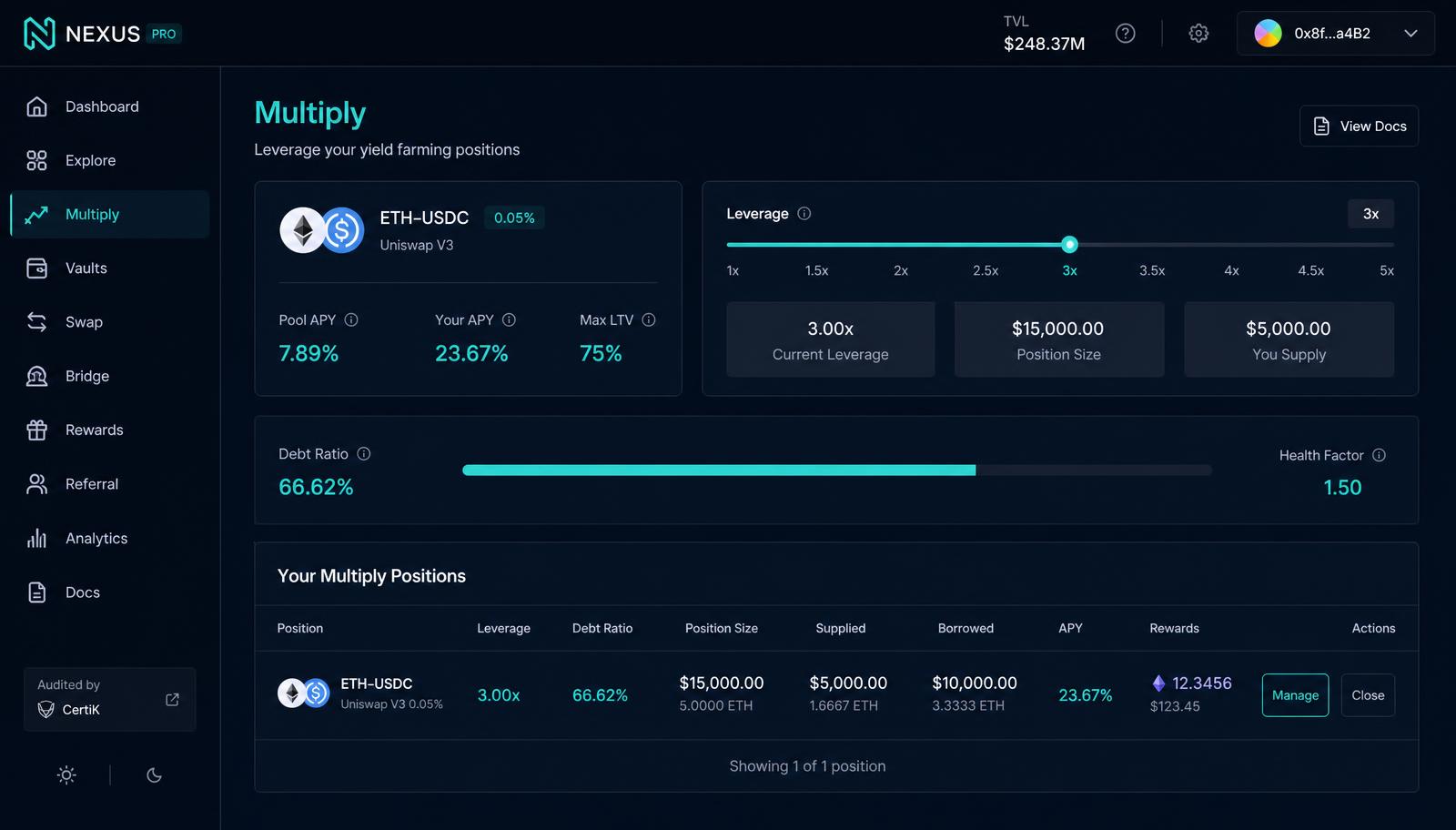
Leveraged yield farming with Alpha Homora V2, explained
From choosing a pool to sizing leverage and computing break-even yield, with worked numbers.
Read the guide · 5 min read

Alpha Homora V2 risks and security
Smart-contract risk, the 2021 exploit, oracle attacks, liquidation and what it all means for lenders.
Read the guide · 5 min read
Analysis and articles
Deeper comparisons and analysis for readers who already know what Alpha Homora V2 is.
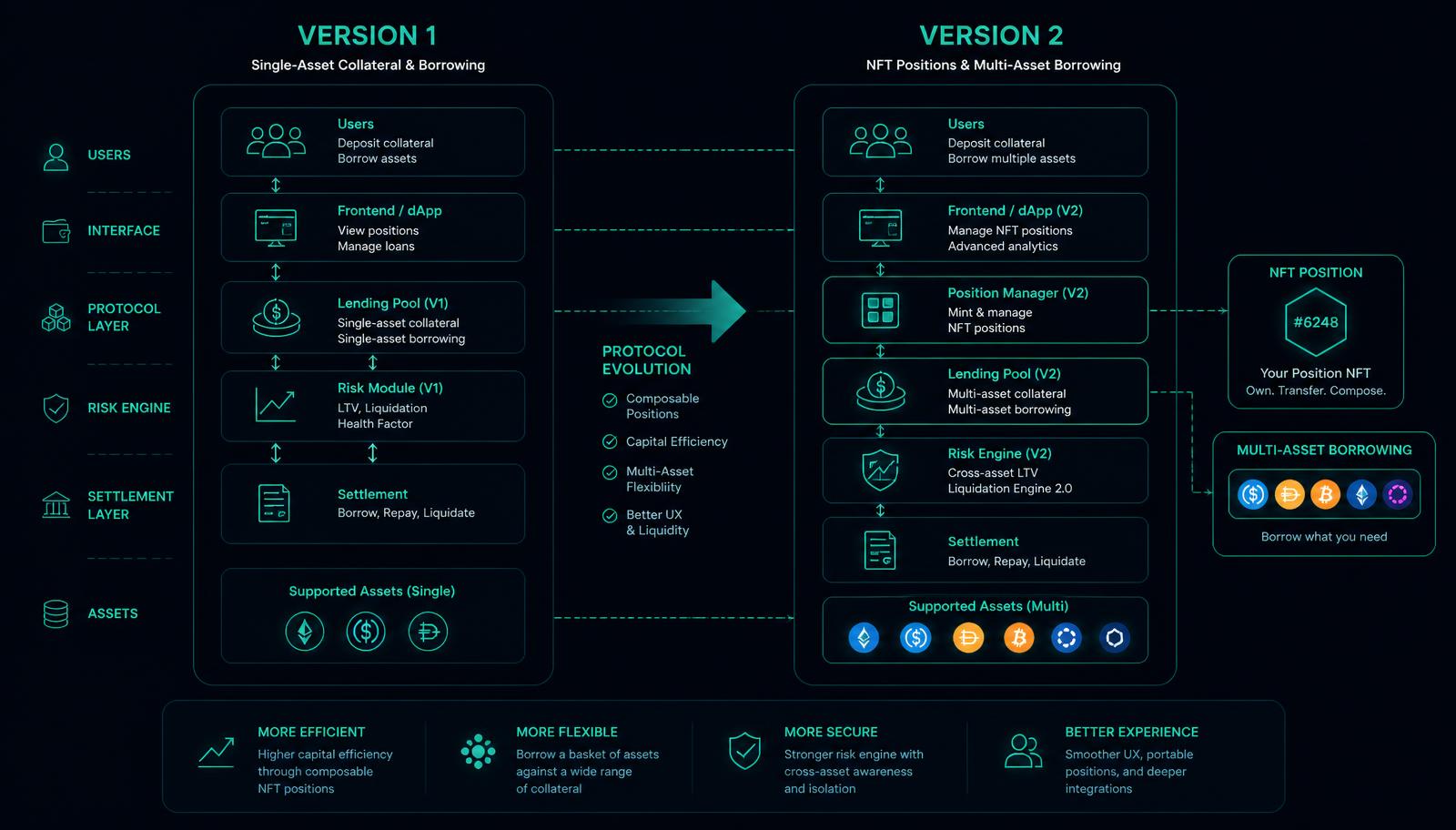
Alpha Homora V2 vs V1: what actually changed
Multi-asset borrowing, position NFTs, spells and oracles: a direct comparison of the two generations.
Read the article · 3 min read
Is Alpha Homora V2 safe? An honest assessment
Audits, exploit history, governance and a practical checklist for judging safety yourself.
Read the article · 4 min read
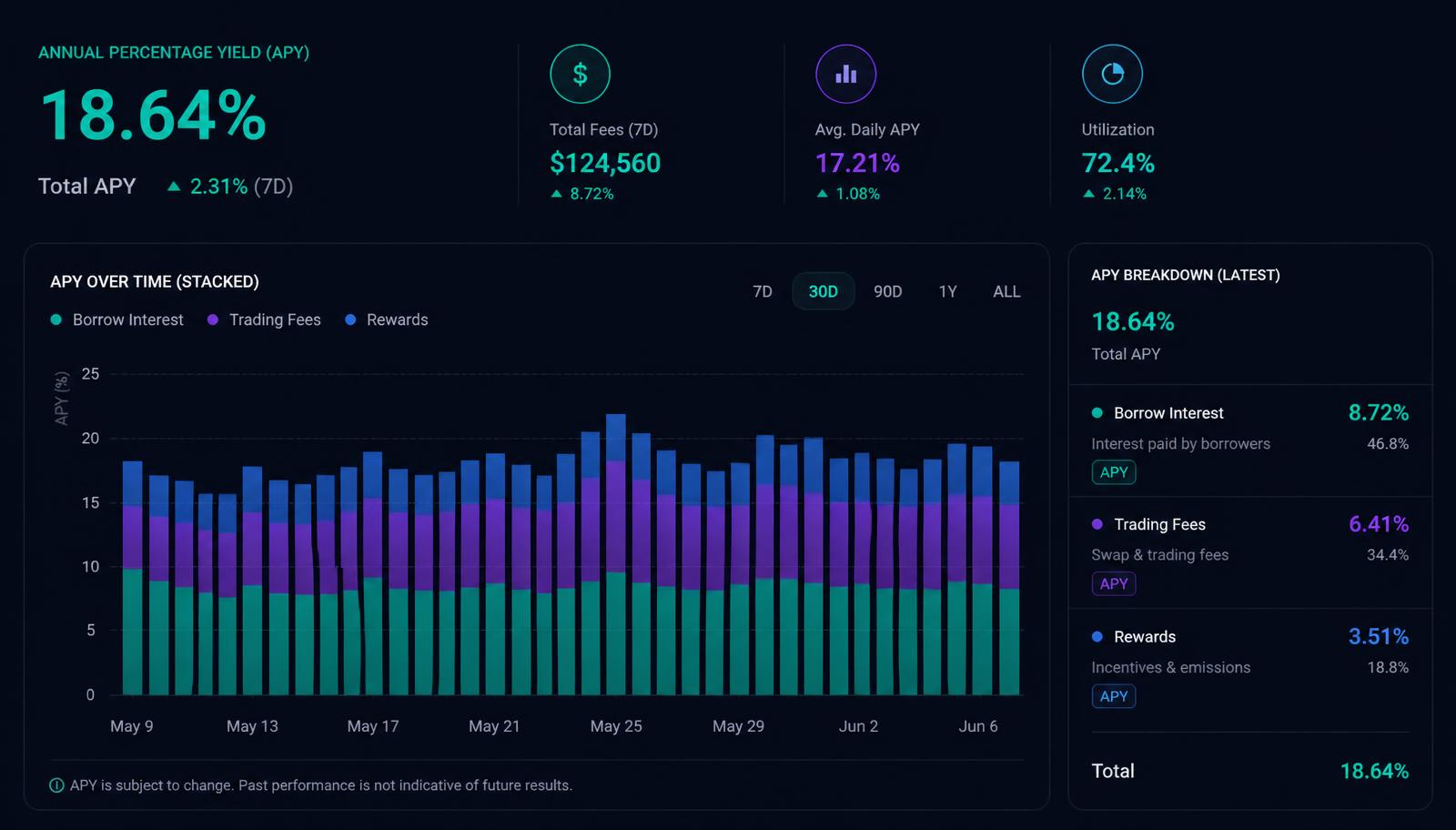
Alpha Homora V2 fees and realistic APY
Borrow interest, protocol fees, emissions and impermanent loss — how the headline APY becomes a real return.
Read the article · 4 min read
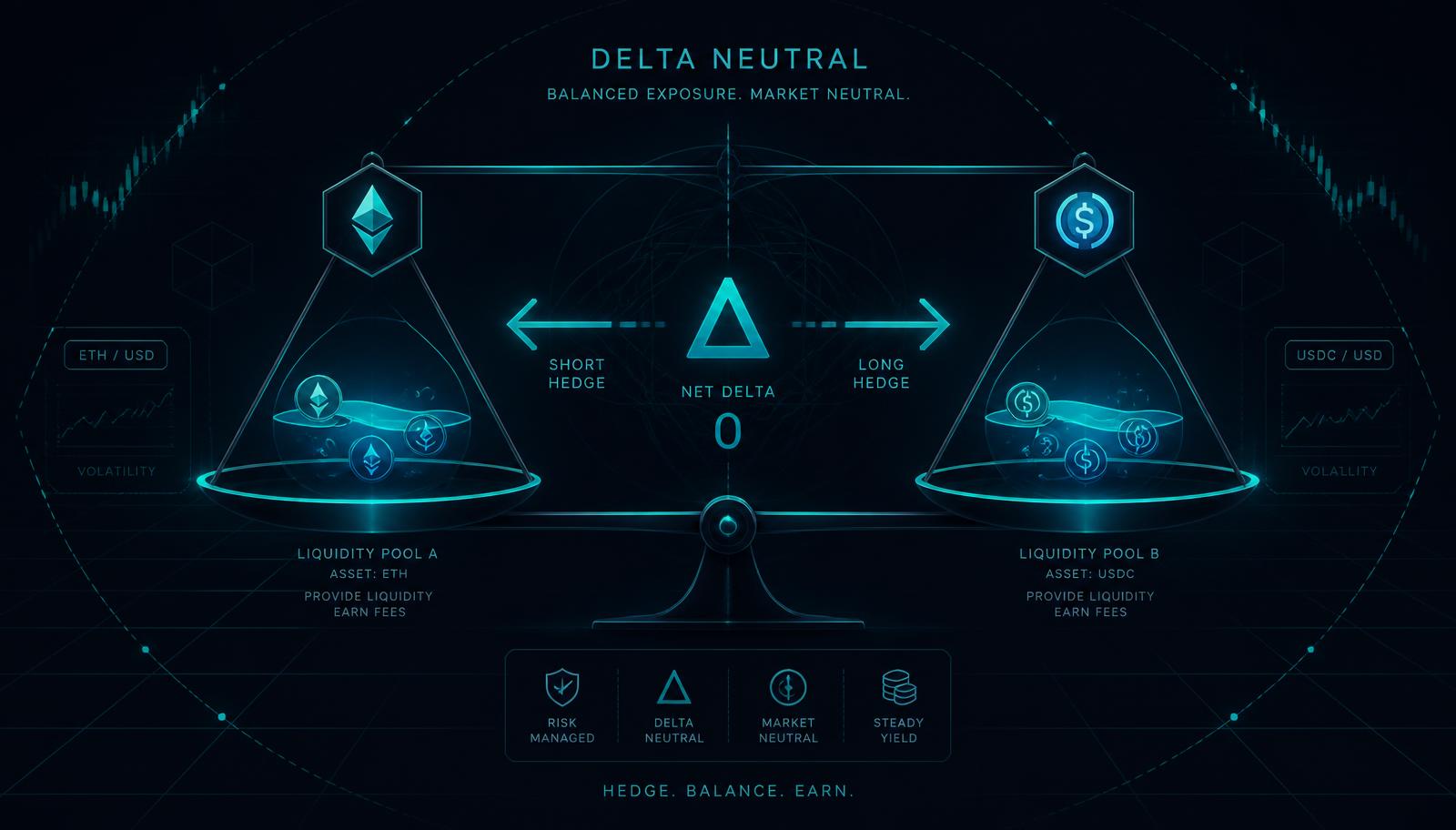
Alpha Homora V2 strategies for leveraged farmers
Stablecoin farming, delta-neutral constructions, sizing discipline and exit planning in practice.
Read the article · 4 min read
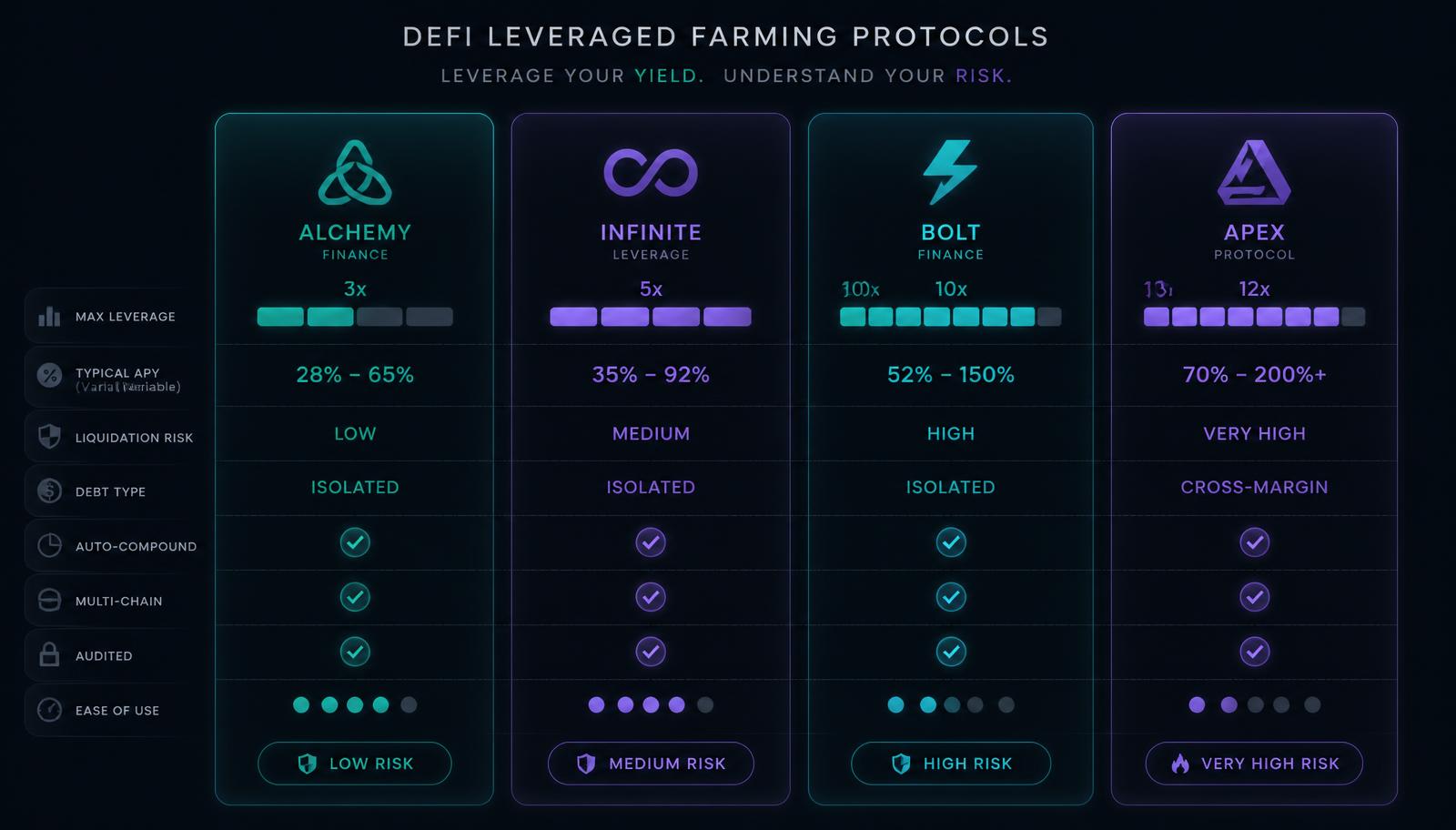
Alternativas a Alpha Homora V2 en 2026
Qué buscar en un sustituto de Alpha Homora V2 y cómo comparar diseños de apalancamiento sin perder lo aprendido.
Read the article · 4 min read
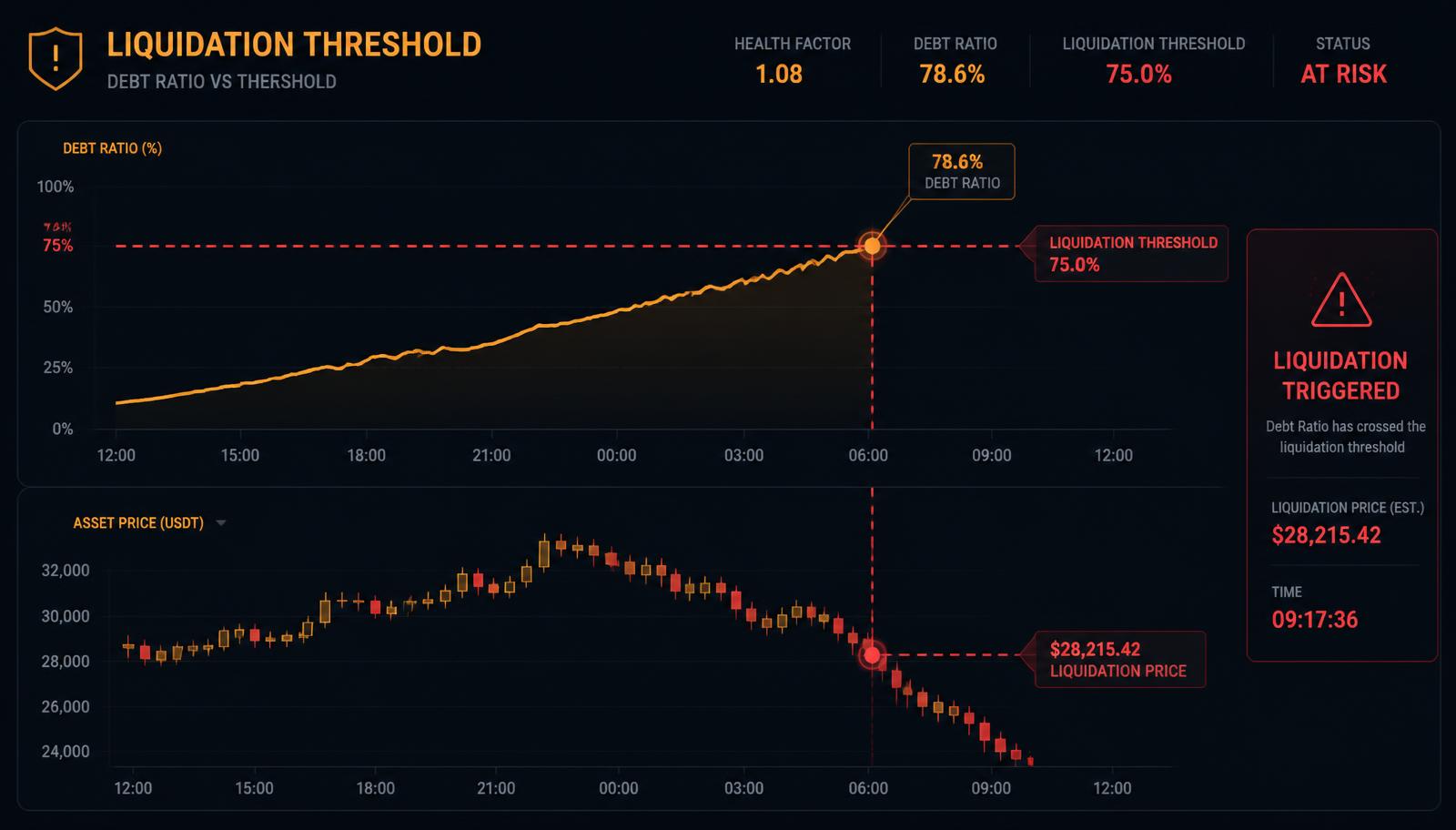
Cómo funcionan las liquidaciones en Alpha Homora V2
El mecanismo exacto de liquidación: ratio de deuda, quién puede liquidar, qué recibe y cómo evitarlo.
Read the article · 4 min read
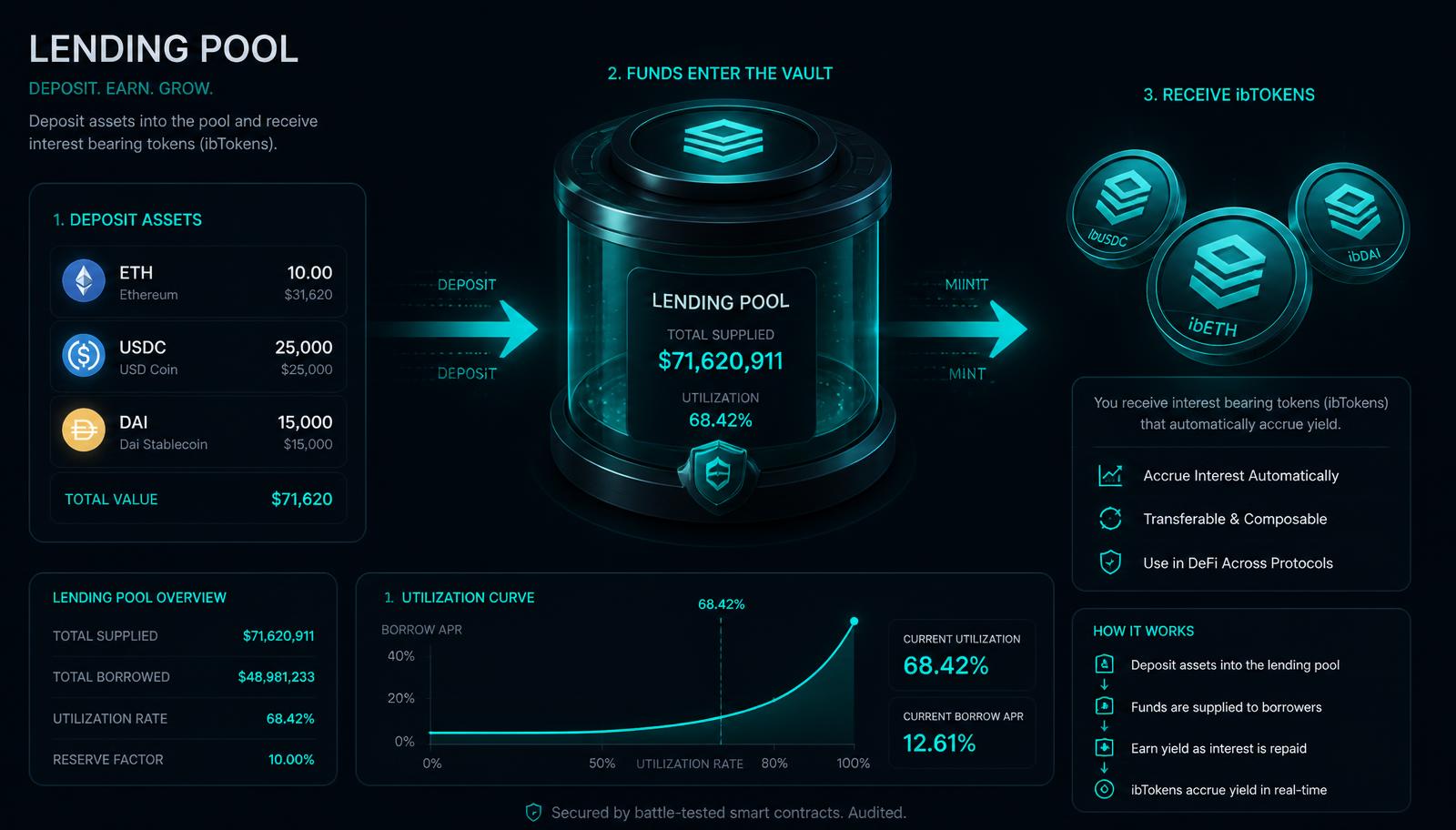
ibTokens en Alpha Homora V2: el lado prestamista explicado
El lado prestamista de Alpha Homora V2: qué son los ibTokens, cómo devengan interés y qué riesgo real asumen los depositantes.
Read the article · 4 min read
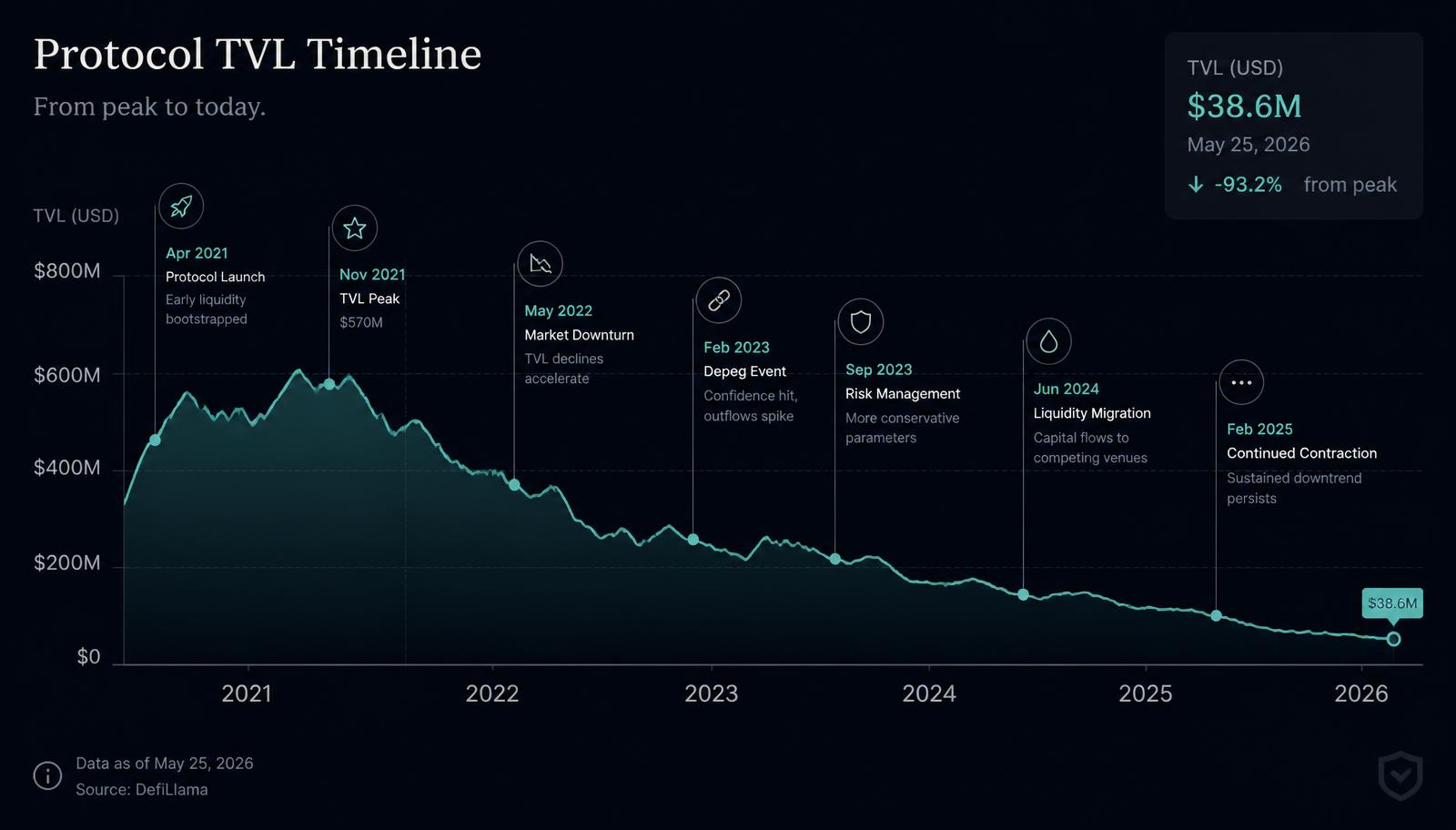
Estado de Alpha Homora V2 en 2026
Un repaso honesto de dónde está Alpha Homora V2 hoy y qué comprobar antes de depositar en cualquier despliegue activo.
Read the article · 4 min read
Frequently asked questions about Alpha Homora V2
What is Alpha Homora?
- Alpha Homora is a DeFi protocol for leveraged yield farming created by Alpha Venture DAO. Users deposit collateral, borrow additional assets from the protocol's lending pools, and farm liquidity pools with the combined capital. Alpha Homora V2 is the second-generation version, which added multi-asset borrowing, NFT-represented positions and broader integrations.
How does Alpha Homora V2 work?
- A farmer opens a position by supplying collateral and choosing a leverage multiplier. The HomoraBank contract lends the requested assets from its pools, a whitelisted spell contract swaps and deposits everything into the target liquidity pool, and the resulting LP tokens are held as collateral. Interest accrues on the debt continuously, and the position must keep its debt ratio below the liquidation threshold.
Is Alpha Homora safe?
- No leveraged DeFi protocol is risk-free. Alpha Homora V2 was audited by firms including PeckShield and Quantstamp, yet it still suffered a roughly $37 million exploit in February 2021 through its Iron Bank integration. On top of smart-contract risk, users face liquidation, oracle, amplified impermanent loss and interest-rate risk. Treat any capital deployed as capital you can afford to lose.
What leverage did Alpha Homora V2 offer?
- Leverage depended on the pool and the assets borrowed. Stable-to-stable pairs commonly supported around 7x to 9x, while volatile pairs were limited to lower multiples because their collateral value fluctuates more and liquidation thresholds are tighter.
Can I still use Alpha Homora V2 today?
- Activity and total value locked declined heavily after 2022 and support varies by network, so you should always check the official Alpha Venture DAO channels and on-chain data before assuming any deployment is live, maintained or safe to interact with. This site is an educational resource, not an interface to the protocol.
Is Alpha Homora V2 the same as Alpha Homora V1?
- No. V1 allowed leveraged farming with ETH borrowing only and used a simpler position model. V2 rebuilt the system around multi-asset lending pools, position NFTs, spell contracts and stricter oracle design. The differences are covered in the V1 versus V2 article.